Sadiq & Polack

ADAPTIVE RE-USE OF THE SINDH ZAMINDAR HOTEL – KARACHI


2003
TYPE: Adaptive Reuse
CLIENT: Mr. Irfan Jami
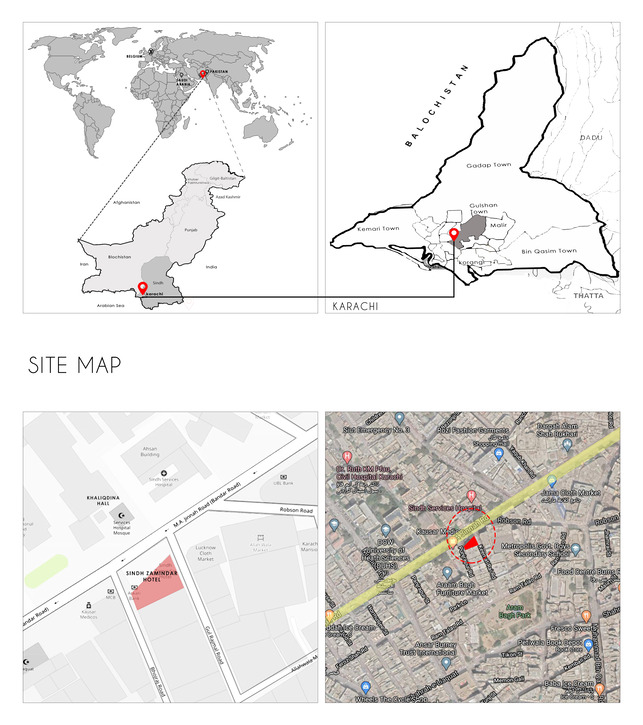
LOCATION: Karachi, Pakistan
YEAR: 2003
SIZE: 3.000 m²
ARCHITECTS: Architect Arif Hasan and
The Architects Polack
COLLABORATORS: Stability Engineer
Shoaib Ismail
CLIENT: Mr. Irfan Jami
STATUS: Completed

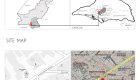
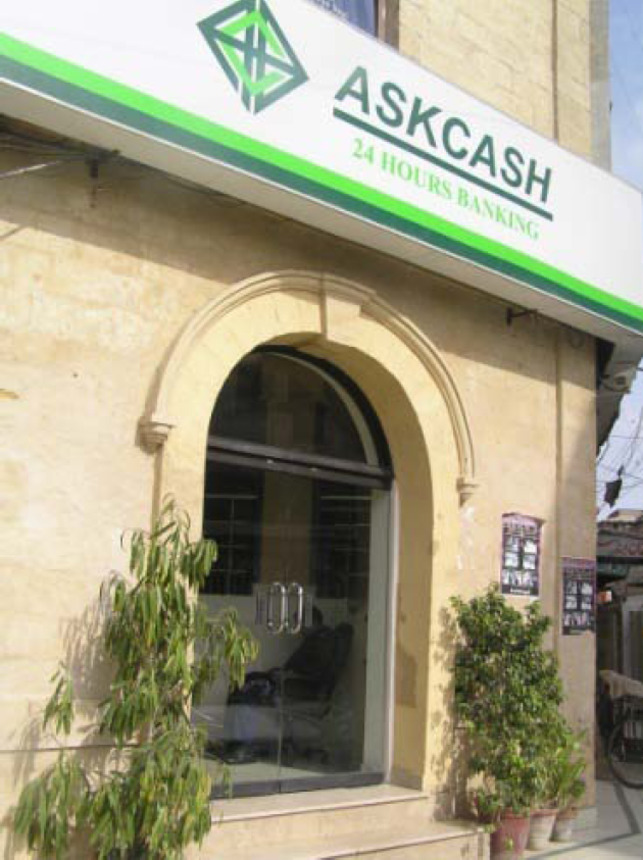
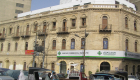
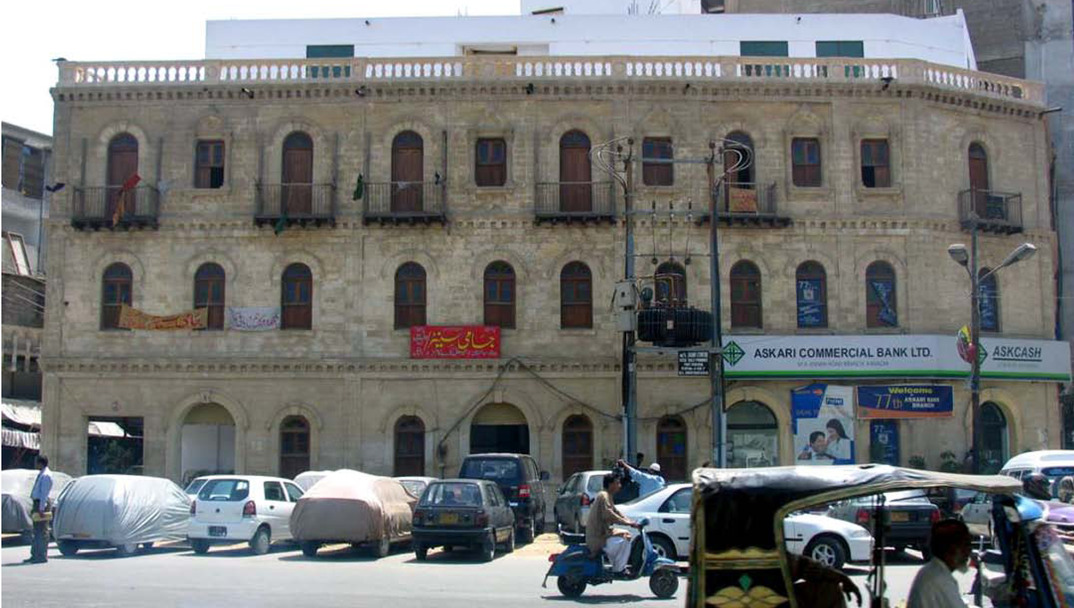
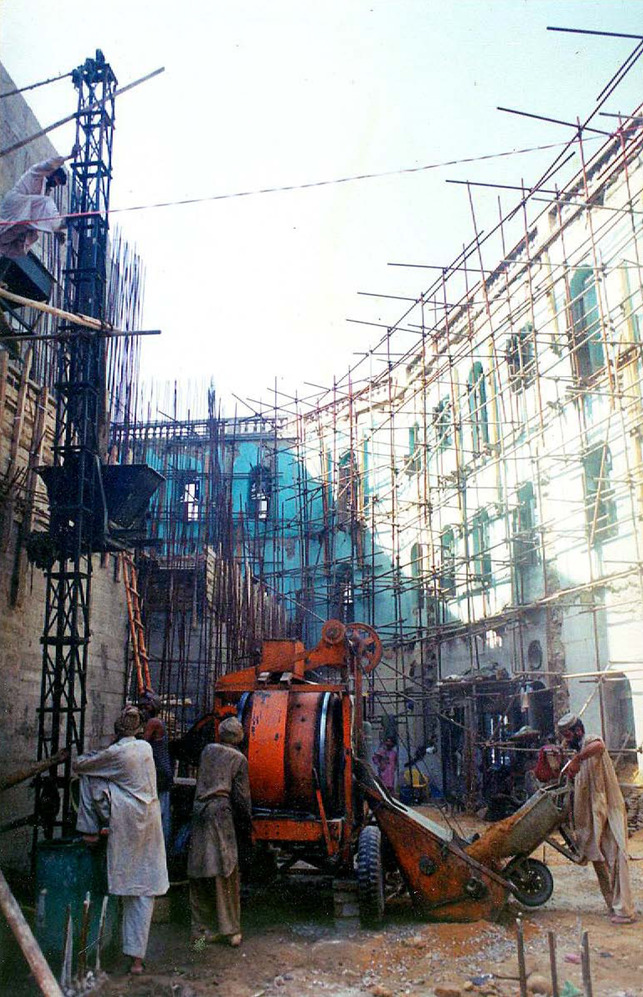
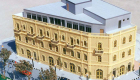
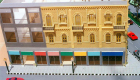
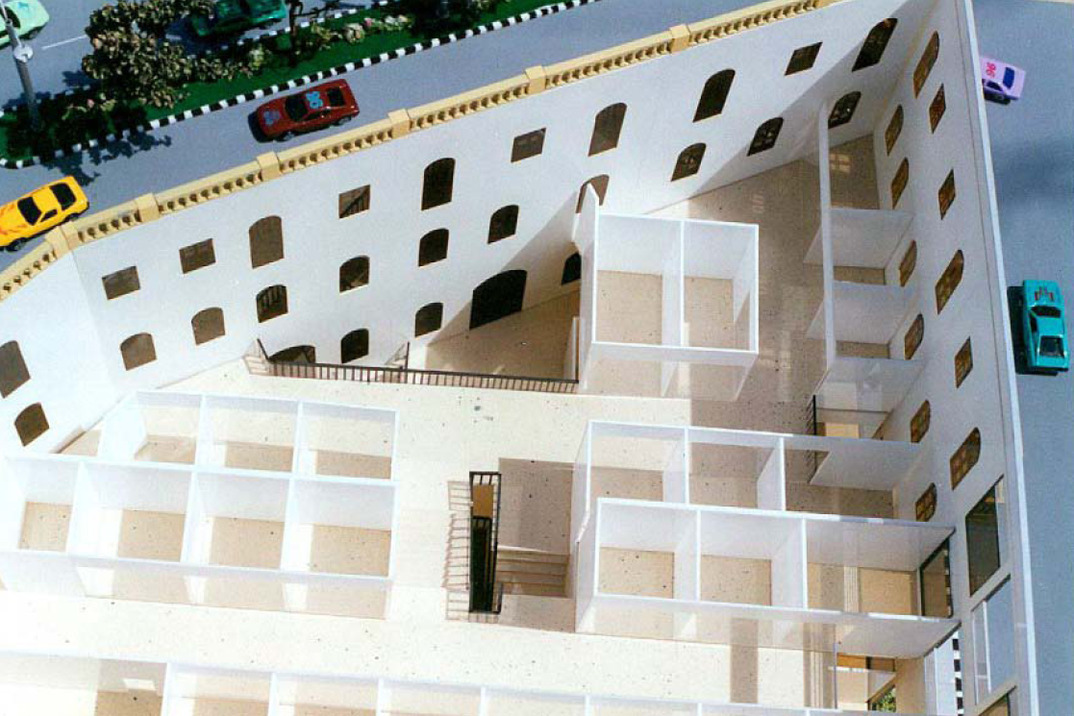
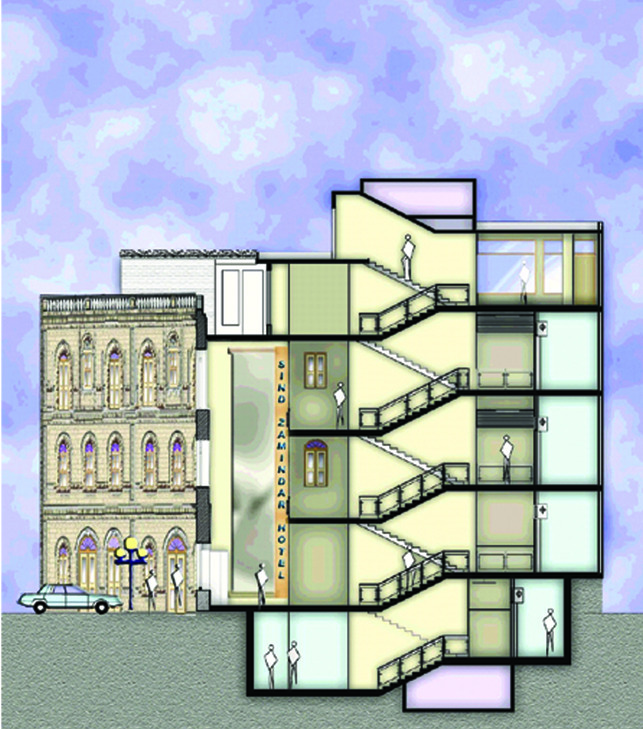
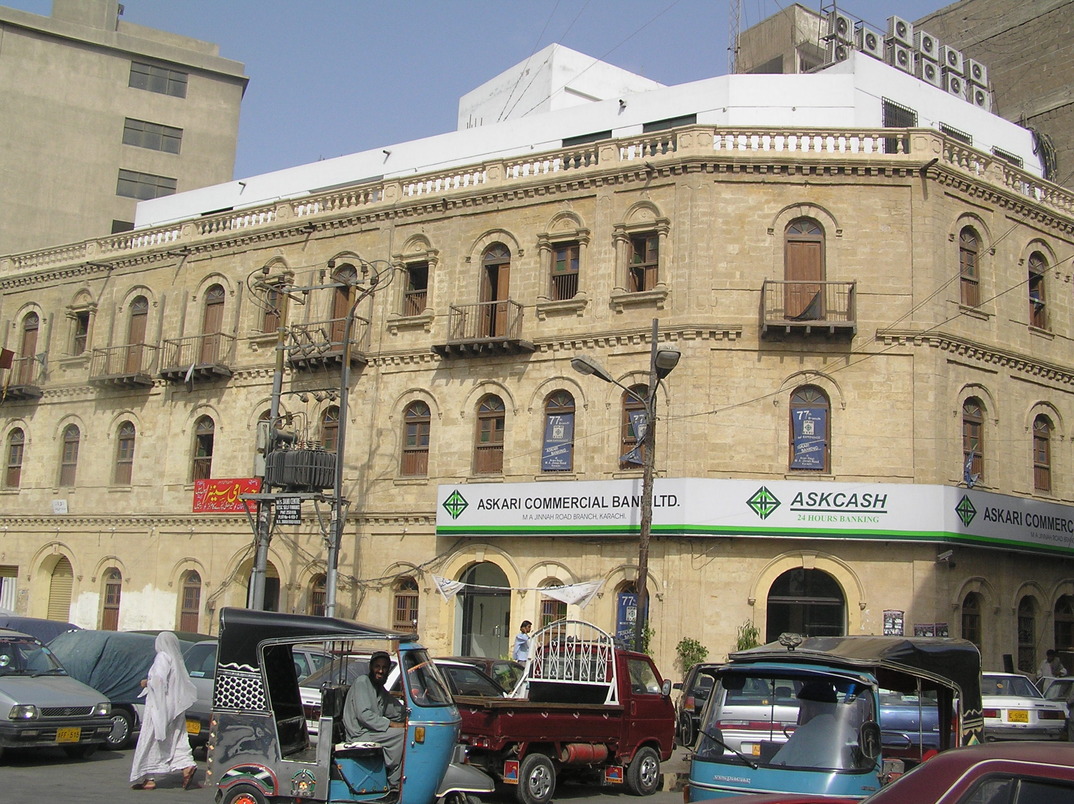
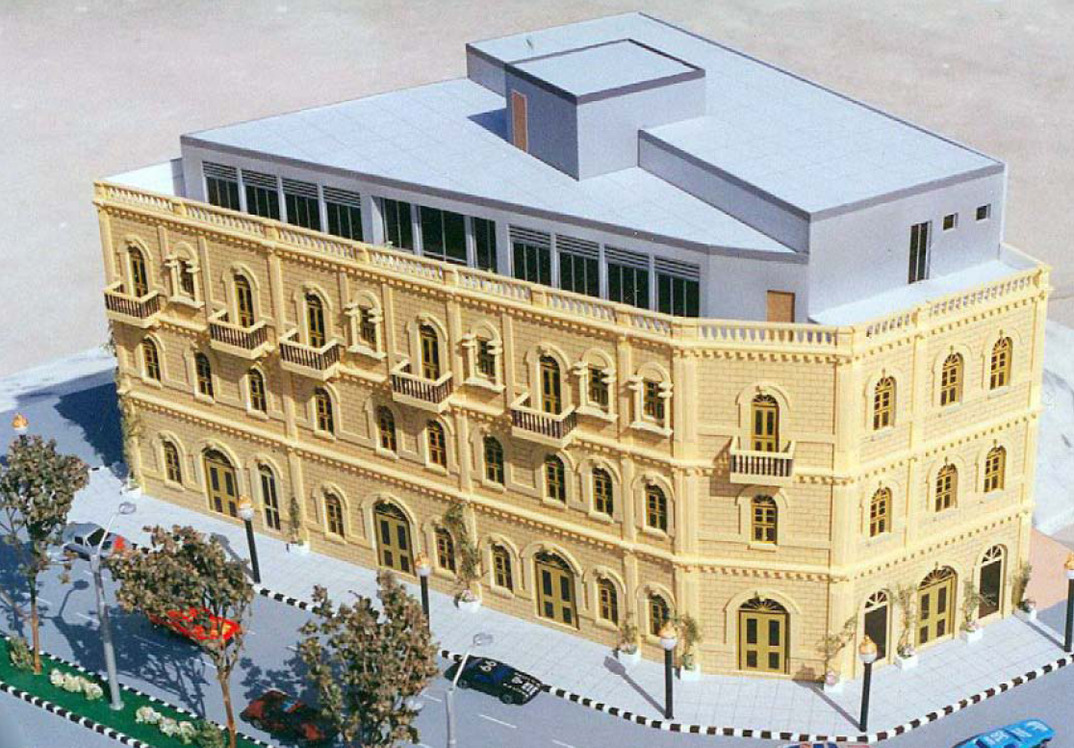
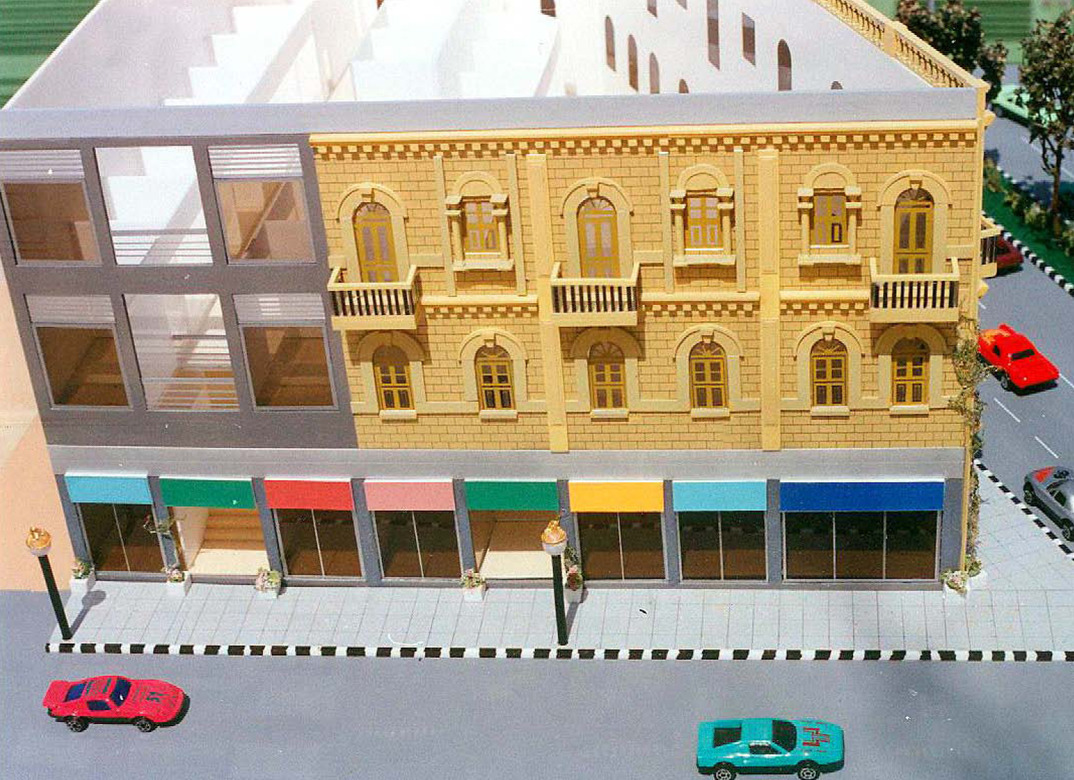
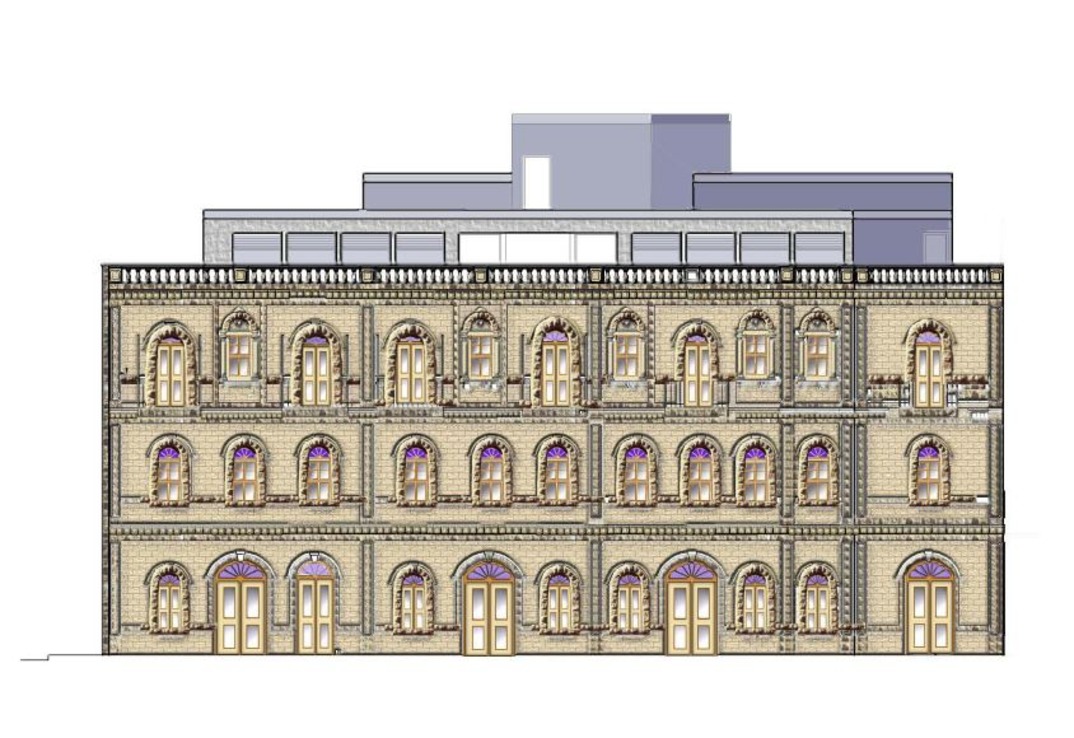
Sindh Zamindar hotel is one of the listed heritage building under SBCA, now known as new cloth market. The project was to adapt the building into a multi-storey cloth market in partnership with Architect/Planner Arif Hasan. The project met with many constraints and challenges as it was a valued building but contradicted heritage by-laws. After the heritage documentation and design process, due to structural reasons the architects and engineers proposed to  demolish the depilated interior and proposed a new design keeping the heritage façade intact.

TYPE: Adaptive Reuse
CLIENT: Mr. Irfan Jami
LOCATION: Karachi, Pakistan
YEAR: 2003
SIZE: 3.000 m²
ARCHITECTS: Architect Arif Hasan and The Architects Polack
COLLABORATORS: Stability Engineer Shoaib Ismail
CLIENT: Mr. Irfan Jami
STATUS: Completed

Sindh Zamindar hotel is one of the listed heritage building under SBCA, now known as new cloth market. The project was to adapt the building into a multi-storey cloth market in partnership with Architect/Planner Arif Hasan. The project met with many constraints and challenges as it was a valued building but contradicted heritage by-laws. After the heritage documentation and design process, due to structural reasons the architects and engineers proposed to  demolish the depilated interior and proposed a new design keeping the heritage façade intact.
Jean Michel

1972-2011 – Les Architectes Polak

Jean-Michel Polak ( Belgium, 12 June 1943 ) did his internship with renowned Mexican Architect, Ricardo Legoretta and later managed Les Architectes Polak together with his father and uncle.

He designed an important Home for elderly people in Brussels, Government buildings School Complexes, Office buildings and Industrial buildings, all over Belgium.

He has compiled and published his sketches of pre-Columbian art and monuments of Mexico and Brussels and is currently writing a book on the history of “Les Architectes Polak”. He is still actively advising his son Christophe Polack on design and management issues arising in the present architectural practice, “The Architects Polak” and the new “Sadiq and Polack”

Andre

1945-2008 - Les Architectes Polak

André Polak ( Switzerland, 19 January 1914 – Hoeilaart, April 2, 1988 ) and Jean Polak (Switzerland, 13 June 1920 – Uccle 16 February 2012) took over their fathers’ practice and expanded it by getting involved in the massive real estate developments in Brussels after the Second World War.

They actively participated in the transformation of Brussels. Qualitative by default, their conception of office complexes, residential and commercial apartments have been impressive. In the 1970’s, André Polak’s son Jean-Michel Polak also joined the office as an architect.

The most important and monumental building of their time in Les Architectes Polak done in collaboration with civil engineer Andre Waterkyn is the monument called “ATOMIUM” in Brussels. Built as a part of the 1958 Expo held in Brussels. This building has become the emblem of modern Brussels and the architectural pride of Belgium.

Other important landmark buildings include the CERIA Campus in Brussels (1948), The national bank of Congo (1950), The office building for A.G.(1956), The Generali tower in Brussels (1966).

Michel

1922-1945 - Les Architectes Polak

Michel Polak ( Mexico, January 27, 1885 – Brussels, October 4, 1948) was an architect of Swiss origin. From 1921 onwards he lived in Belgium, where he received important commissions.

After obtaining his title of architect at the Polytechnic School of Zurich (1903-1907) he attended classes at the Ecole des Beaux-Arts in Paris between 1907 and 1911. 1917 onwards he worked with the Swiss architect Alfred Hoch.

He settled five years later in Brussels on the invitation of the businessman in real estate and financier Lucien Kaisin and started his practice called Les Architectes Polak. He was given the commission of building, a complex of luxury apartments called “Residence Palace“ in Brussels.

Michel Polak is well known for his Art Deco buildings of the interwar period in Brussels. He mastered many architectural styles and could also combine flawlessly art deco, classicism, and modernism. He had a large knowledge of materials and could apply it well in his designs. His projects are considered an important part of the architectural heritage of Brussels. After the Second World War, his architecture practice Les Architectes Polak was continued by his two sons, André, and Jean Polak.

Asiya

2021 onwards – Sadiq and Polack Architects

Practicing in Belgium for the last 8 years has brought forward a new multicultural identity for the practice. Capitalizing on the diverse backgrounds and expertise of the duo the practice is taking a new shape in the form of “Sadiq and Polack Architects” and aspires to reach out to a wider audience globally.

The transformations experienced in the last 100 years are logically taking a new turn to address contemporary issues pertaining to cities. These range from situating the practice in the middle scale amalgamating architecture and its larger contextual realities addressing design issues like, sustainability, climate change, emerging architectural and urban design typologies, post-pandemic habitats and creation of alternative practice models.

Asiya

2000 - 2020 – The Architects Polack

Christophe Polack (Belgium, 08 October 1972) started his architectural practice with Les Architectes Polak in Brussels in 1997. In the year 2000, he got married to Asiya Sadiq and moved to Karachi – Pakistan where they started a sister practice called “The Architects Polack”. After practicing in Pakistan and the region for 12 years, he moved backed to Belgium and has continued with the practice.